The Importance of Choosing MROOF Roofing
When it comes to selecting a roofing option for your home or business, the decision is critical for both aesthetic and functional reasons. MROOF Roofing stands out as a premier choice thanks to its specialization in durable and stylish metal roofing solutions. As homeowners seek longevity and resilience in their roofing materials, understanding the significant advantages of metal roofing becomes imperative.
Why Opt for Metal Roofing?
Metal roofing has gained immense popularity in recent years, not only for its striking appearance but also for its practicality. One of the primary reasons homeowners choose metal roofing is its remarkable durability. Unlike traditional asphalt shingles that may weaken over time, metal roofs can withstand harsh weather conditions, including heavy rain, snow, and winds up to 160 mph. This durability translates into fewer repairs and replacements over the years, making metal a cost-effective choice in the long run.
Durability and Longevity of MROOF Roofing
MROOF Roofing provides metal roofing systems that are engineered for longevity. Typically, a metal roof can last 40 to 70 years, far surpassing the lifespan of more conventional roofing materials, such as asphalt shingles, which generally last 15 to 20 years. This extended lifespan means that homeowners will benefit from peace of mind regarding their roof's performance for decades. Additionally, metal roofs are resistant to pests, rot, and mildew, further enhancing their durability and reducing maintenance costs.
Environmental Benefits of Metal Roofing
Aside from durability, metal roofing is recognized for its eco-friendliness. Many metal roofing systems are made from recycled materials, and at the end of their life cycle, they are 100% recyclable. This sustainability aspect appeals to environmentally conscious homeowners looking for green building solutions. Moreover, metal roofs can reflect solar radiant heat, which helps reduce energy costs during hot summer months. By improving energy efficiency, homeowners not only save money but also lessen their environmental impact.
Understanding Roofing Costs Explained
When contemplating a new roof, understanding potential costs is essential. The initial investment in a roofing system can vary significantly based on several factors, including the type of material, the complexity of the installation, and the geographical location. With MROOF Roofing, clients can expect comprehensive quotes that reflect these variables, ensuring transparency throughout the decision-making process.
Factors Influencing MROOF Roofing Costs
Several factors affect the overall cost of installing a metal roof with MROOF Roofing. Key considerations include:
- Material Type: Different metals (e.g., steel, aluminum, copper) come with varying price tags, with copper being the most expensive.
- Roof Size and Complexity: Larger roofs or those with intricate designs can increase labor and material costs.
- Installation Location: The accessibility and slope of the roof may necessitate additional safety measures or equipment, impacting overall costs.
- Warranty Options: Extended warranties may add to the initial cost but can provide long-term savings through quality assurance.
Comparative Analysis: MROOF vs. Traditional Roofing
When comparing MROOF's metal roofing to traditional roofing options like asphalt shingles, the upfront cost might be higher for metal. However, this cost is offset by the longer lifespan and reduced maintenance needs. For instance, while a traditional roof may require repairs or replacements every 15 years, MROOF metal roofing often lasts over four decades, making it a wise long-term investment.
Case Study: Real Costs from Recent Installations
To gain a clearer understanding of MROOF roofing costs, consider a case study from a recent installation in the Greater Toronto Area (GTA). A standard 2,000 square foot home received a full metal roof installation, which totaled approximately $30,000. This included materials, labor, and a warranty, illustrating how quality and durability can influence pricing.
Budgeting: What You Should Expect to Pay
A thorough budget plan is crucial when installing a new roof. It ensures that homeowners are prepared for the financial commitment and helps avert unexpected costs throughout the project.
Breaking Down Average Prices for MROOF Roofing
On average, MROOF Roofing costs range from $5 to $12 per square foot, depending on factors such as the type of metal, roofing system complexity, and the existing roof condition. It’s vital to obtain precise quotes that outline these variables before committing to a project, as well as confirming what is included in the overall cost.
Hidden Costs to Watch Out For
Homeowners should also be aware of potential hidden costs that may arise during installation:
- Removal of Old Roofing: If an existing roof needs to be removed, this can significantly increase labor costs.
- Structural Repairs: Damaged sheathing or underlying structure may require repair before installation can proceed, adding to the expense.
- Permitting and Inspections: Local regulations may require permits or inspections, which can incur additional fees.
Financing Options for Roofing Projects
Understanding financing options can ease the burden of upfront costs for homeowners. MROOF Roofing offers various financing plans to help manage expenses. Options include monthly payment plans, personal loans, or even financing through local credit unions with competitive interest rates. Homeowners are encouraged to explore these avenues to find the best fit for their financial situation.
Quality Installation Practices
To ensure that MROOF roofing delivers on its promises of durability and performance, proper installation practices are vital. Engaging professionals who specialize in metal roofing ensures that every aspect of the installation adheres to industry standards.
Best Practices in Installing MROOF Roofing
Proper installation techniques include:
- Correct Panel Orientation: Panels should be positioned according to the manufacturer’s specifications to prevent leaks.
- Ensuring Adequate Ventilation: Proper ventilation minimizes heat buildup and moisture retention, extending the lifespan of the roof.
- Appropriate Fastening: Using the right fasteners for the specific metal type helps maintain structural integrity.
Tools and Techniques for a Perfect Fit
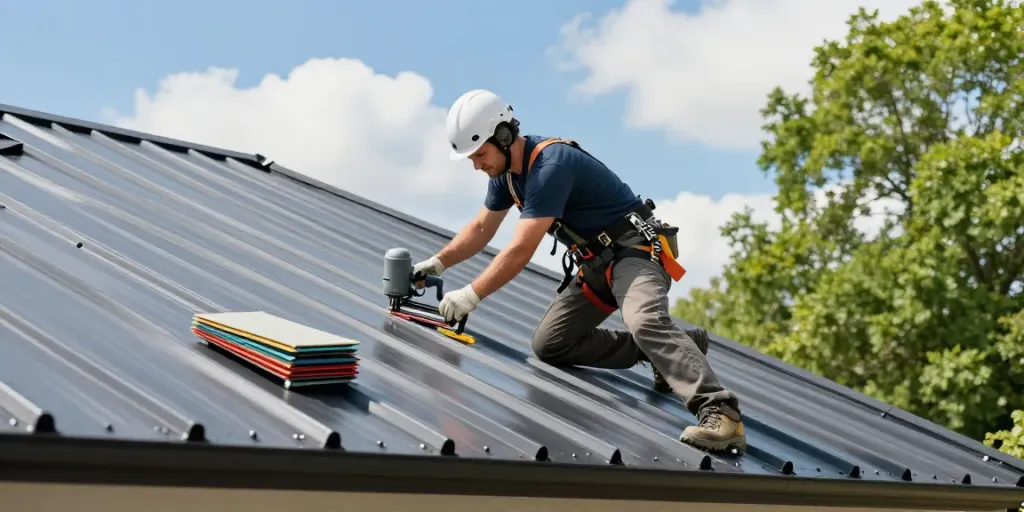
Installation requires specialized tools, such as metal snips, a seam roller, and a pneumatic nail gun. These tools ensure precision and efficiency during the installation process, enhancing the overall quality of the roof.
Safety Measures During Installation
Safety is paramount during roofing installation. Professionals adhere to strict safety protocols, including harness use, ladder safety, and protective gear to minimize the risk of accidents. Homeowners should ensure that their chosen contractor prioritizes safety during the project.
Future Trends in Roofing for 2026 and Beyond
As technology evolves, the roofing industry is set to experience significant changes. Staying updated on these trends will ensure homeowners make informed decisions regarding their roofing choices.
Innovative Materials and Techniques in Metal Roofing
Upcoming innovations in metal roofing may include advancements in reflective coatings that enhance energy efficiency, lightweight materials that reduce structural load, and integrated solar solutions. These innovations could transform how metal roofs perform both functionally and aesthetically.
Predicted Changes in Roofing Regulations
In response to evolving environmental concerns, regulatory bodies may implement stricter building codes aimed at enhancing sustainability. Materials that improve energy efficiency and reduce carbon footprints may become standard requirements, influencing homeowners’ choices.
Consumer Trends Affecting Roofing Choices
As more consumers prioritize sustainability, aesthetics, and cost-effectiveness, roofing manufacturers are expected to adapt their offerings. Homeowners are increasingly interested in materials that offer both style and functionality, influencing market demand for versatile roofing solutions.